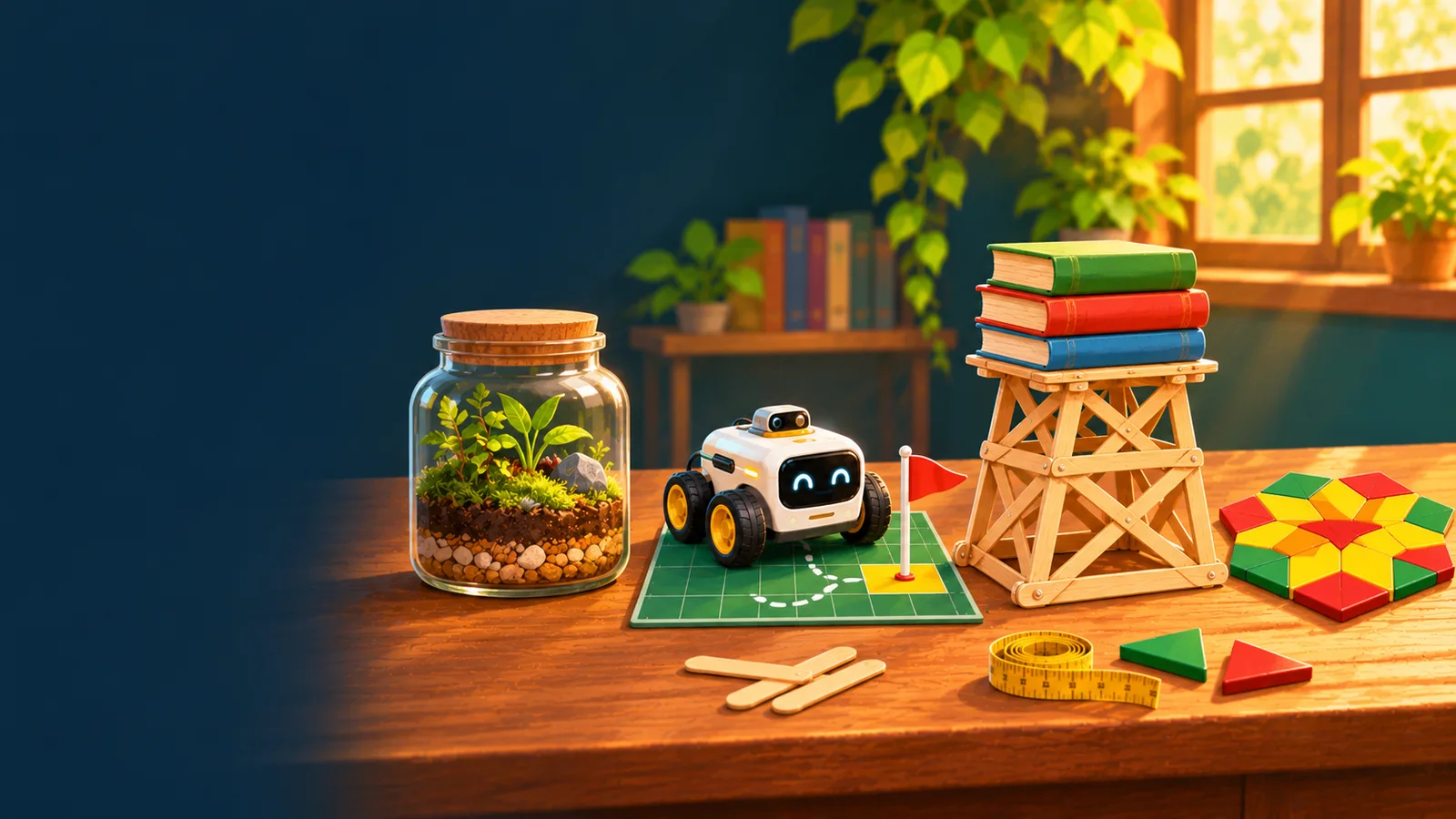

A workbench with a sealed jar ecosystem, a small robot on a grid mat, a craft-stick tower holding books and a coloured tile pattern
STEMProject ideas
Project ideas

Small builds, big understanding.

Every project starts with a question and ends with something children made and can explain. Here are a few ideas of what that looks like.

These are example projects. Programme format and availability will be confirmed by PIXO Learn.
ScienceA sealed glass jar ecosystem with soil, pebbles, moss and a small plant beside an open observation journal

Grow a mini ecosystem

Build a sealed jar world with soil, water and a plant, then watch light, moisture and growth work together over days. Observation journals turn into real conclusions.

A question to start withDoes the jar need a lid to stay balanced?

What children do

  • Layer soil, pebbles and a small plant in a sealed jar
  • Record light, moisture and growth in an observation journal
  • Explain what the jar needs to stay balanced

What they learn

  • How living things depend on light, water and soil
  • Cause and effect, seen over time
  • Recording and explaining findings

What you need

A jar, soil, pebbles, a small plant and a notebook

TechnologyChildren on a classroom floor guiding a small robot across a grid mat with arrow cards

Think like a coder

Plan a set of clear instructions, run them, and debug what goes wrong. The same logic sits behind every app children use.

A question to start withCan you make the route shorter with the same arrows?

What children do

  • Plan a path across a grid mat with arrow cards
  • Run the instructions and watch the robot follow them
  • Find the mistake, fix it and try again

What they learn

  • Breaking a task into clear steps
  • Spotting and fixing bugs calmly
  • Explaining logic to others

What you need

A grid mat, arrow cards and a small robot or counter

Engineering and mathsA craft-stick tower holding a stack of books while children cheer

Design a strong structure

Use simple materials to build a bridge or tower, test how much it can hold, then use shapes and measurement to make version two stronger.

A question to start withWhat shape holds the books for longest?

What children do

  • Build a bridge or tower from simple materials
  • Test how much it can hold
  • Measure, redesign and test version two

What they learn

  • Why shapes like triangles add strength
  • Measuring and comparing results
  • Improving a design from evidence

What you need

Craft sticks, paper, tape, a few books and a ruler

MathematicsA boy building a colourful geometric tile pattern

Pattern studio

Build repeating patterns from coloured tiles, find the rule behind them and predict what comes next. Shapes, symmetry and measurement all turn up along the way.

A question to start withCan you find a rule that predicts tile ten?

What children do

  • Build repeating patterns from coloured tiles
  • Find the rule and predict the next shape
  • Measure and record how the pattern grows

What they learn

  • Spotting rules in patterns
  • Symmetry and shape
  • Measuring and recording

What you need

Coloured tiles, paper and a ruler

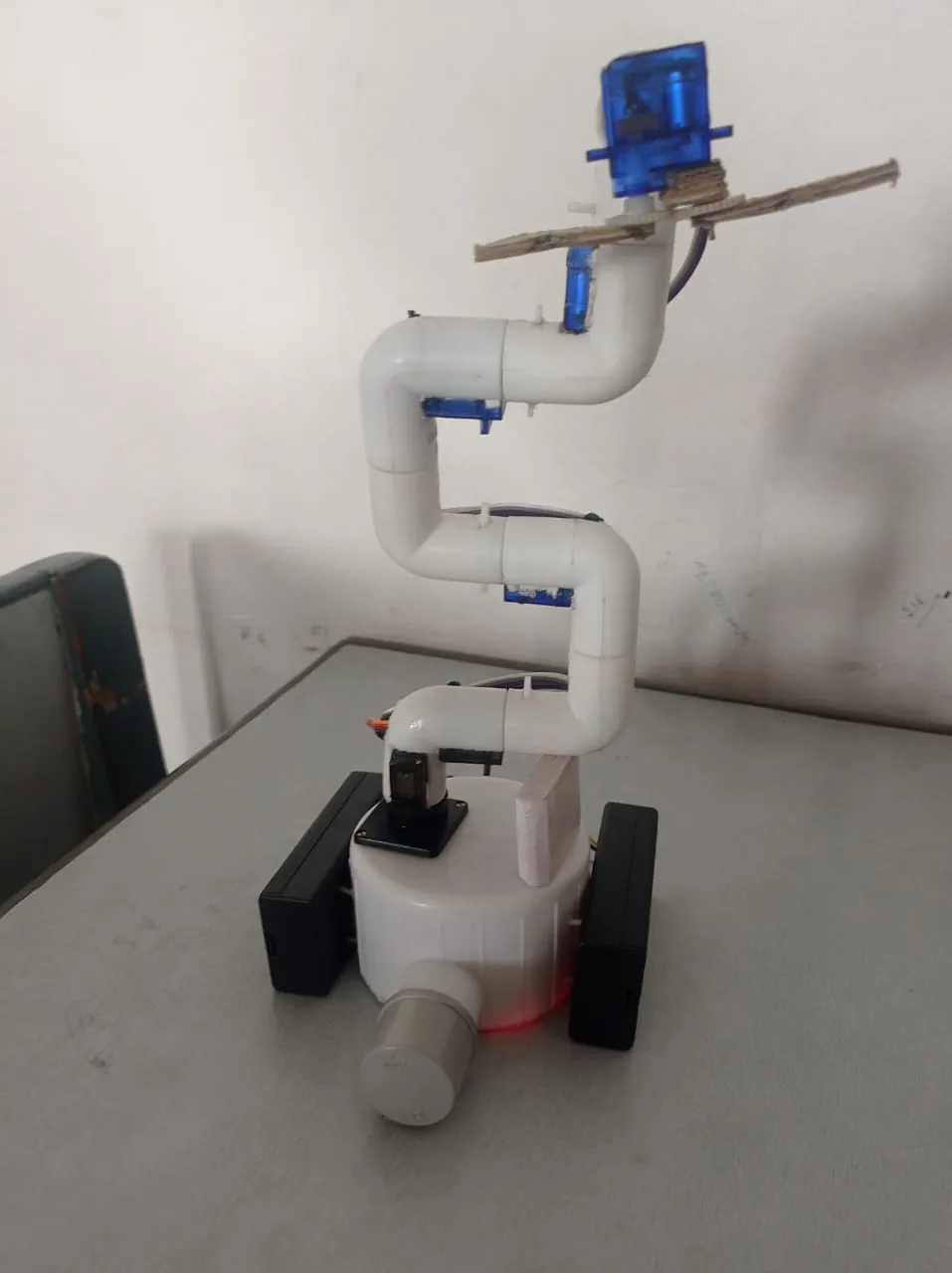
Technology and engineeringA jointed white pipe robot arm with blue servo motors, mounted on a round base with two battery packs and a cardboard gripper plate

Phone-controlled robot arm

Build an arm from pipe joints and small servo motors, then connect it to a phone so each joint moves from sliders on the screen. Every joint is a small lesson in how machines move.

A question to start withHow many joints does an arm need to reach around a box?

What children do

  • Build a jointed arm from pipe pieces and servos
  • Connect it to a phone over Wi-Fi
  • Tune each joint until the arm reaches where you want

What they learn

  • How joints and levers move a load
  • Sending commands from a device to a machine
  • Testing, tuning and fixing

What you need

Pipe joints, small servo motors, a microcontroller board, a battery pack and a phone

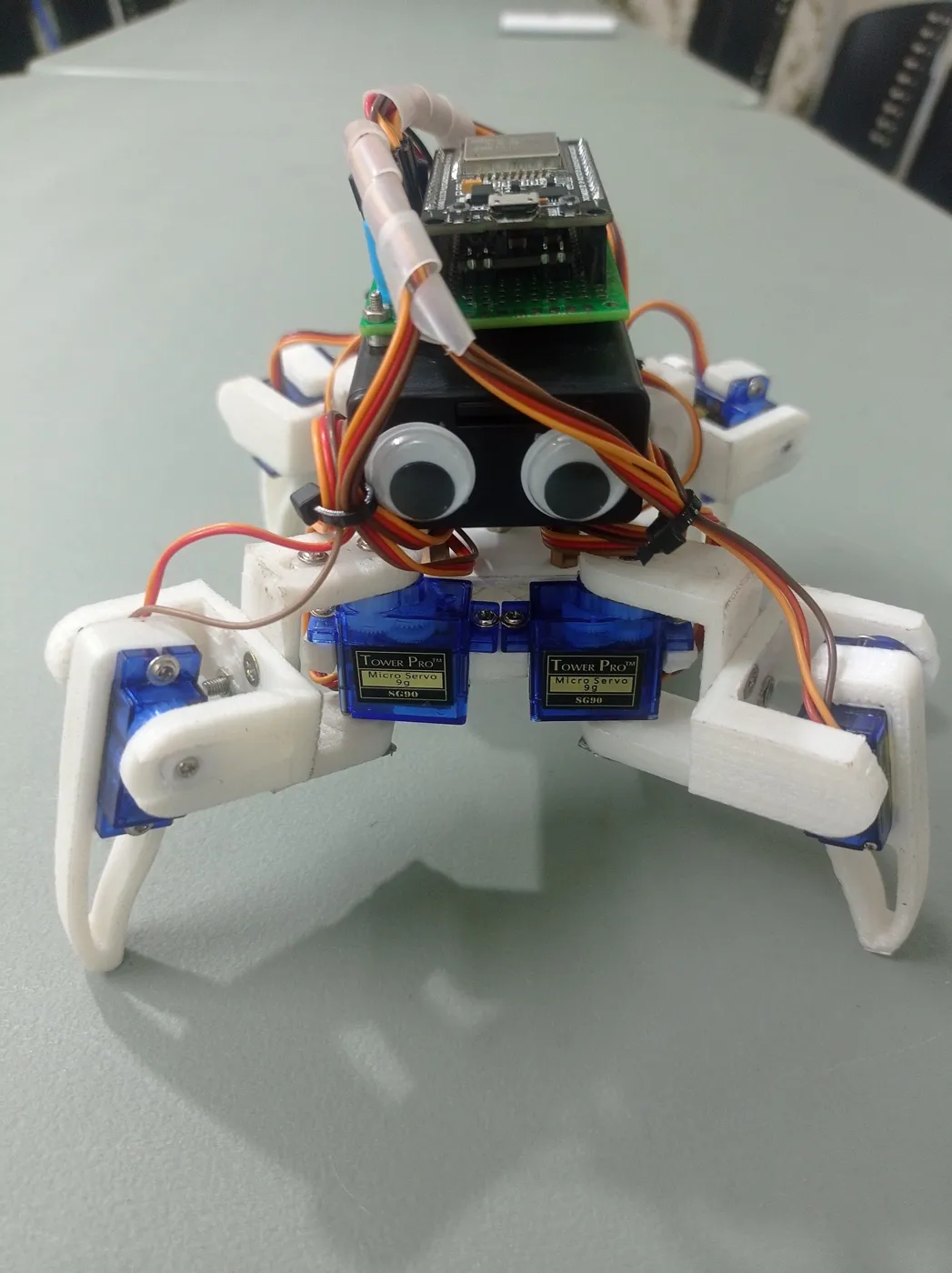
Engineering and technologyA four-legged white robot with googly eyes, blue servo motors on every leg and a small controller board on its back

Walking robot

Put together a four-legged walker with a servo in each joint and googly eyes for personality, then drive it with a gamepad. Getting four legs to cooperate teaches patience and careful testing.

A question to start withWhich legs should move together so it does not fall over?

What children do

  • Assemble four legs, each with servo joints
  • Wire the servos to a controller board
  • Drive it with a gamepad and adjust each leg until it walks

What they learn

  • How legs and joints share a load
  • Wiring and organising a circuit
  • Fixing one thing at a time

What you need

3D-printed or card legs, small servo motors, a controller board, a battery pack and a gamepad

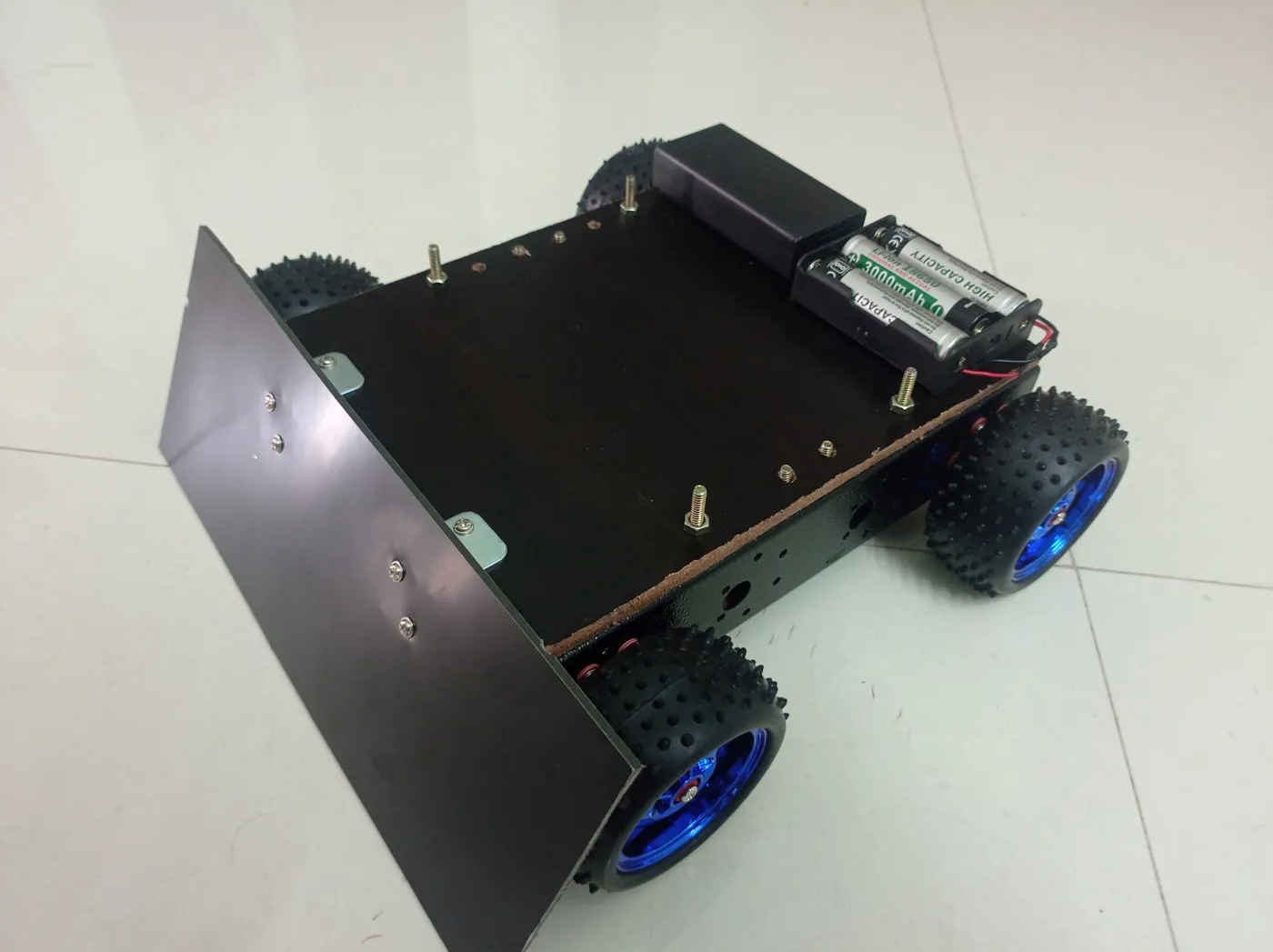
EngineeringA black four-wheel rover chassis on a tiled floor with studded tyres, blue hubs, a front plate and a battery holder on top

Four-wheel rover

Design a chassis from a metal frame and a wooden deck, mount four geared motors, and add a front plate. Then drive it and decide what to improve: grip, weight, balance or speed.

A question to start withWhat would make the rover climb a small slope?

What children do

  • Mount four geared motors on a frame
  • Fix the deck, battery holder and front plate
  • Test on the floor and change one thing at a time

What they learn

  • Frames, mounts and weight balance
  • How gearing trades speed for strength
  • Designing for a purpose

What you need

A metal chassis frame, four geared motors with wheels, a wooden deck and a battery holder

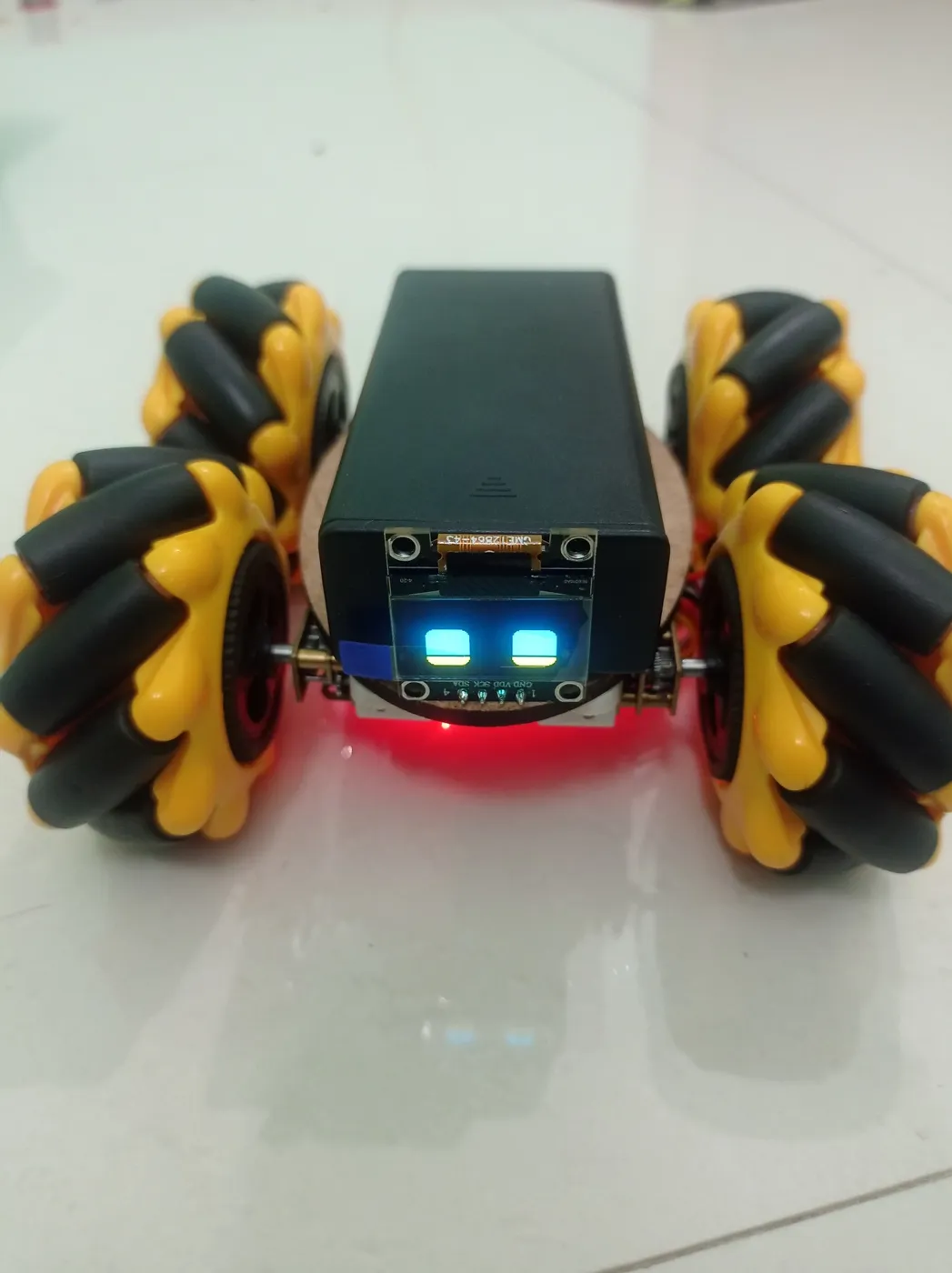
Technology and engineeringA small robot on four yellow and black mecanum wheels with a battery box on top and two glowing eyes shown on a small display

Sideways-driving robot

Mecanum wheels let a robot slide sideways and spin on the spot. Build one, give it a small display for eyes, and work out which wheels must turn which way to drive in any direction.

A question to start withIf the left wheels go forward and the right wheels go back, which way does it turn?

What children do

  • Mount four mecanum wheels on small motors
  • Wire motor drivers and a controller board
  • Work out the wheel pattern for forward, sideways and spin

What they learn

  • How wheel directions combine into movement
  • Reading a simple wiring layout
  • Debugging a circuit step by step

What you need

Four mecanum wheels, small motors, two motor drivers, a microcontroller, a battery box and a small display

Technology

Smart dustbin

Fit a bin with a distance sensor and a small motor so the lid opens when a hand comes near and closes after. A tiny automatic system with a sensor, a decision and an action.

A question to start withHow close should a hand be before the lid opens?

What children do

  • Fit an ultrasonic sensor to the front of the bin
  • Attach a servo to the lid
  • Program: if something is near, open, wait, then close

What they learn

  • Sensors, decisions and actions
  • If-then logic in a real program
  • Testing with different distances

What you need

A small bin, an ultrasonic sensor, a servo, a microcontroller and a power adapter

Technology

Light and button game

Wire four LEDs and four buttons on a breadboard, then program a memory game: watch the lights, repeat the pattern. Every wire matters, and every bug is findable.

A question to start withHow could the game get faster each round?

What children do

  • Wire LEDs and buttons on a breadboard
  • Program the pattern the lights follow
  • Play, find bugs and add a harder level

What they learn

  • Simple circuits and inputs
  • Sequences and loops in code
  • Debugging wiring and logic

What you need

A breadboard, four LEDs, four buttons, jumper wires and a microcontroller board

Science and technology

Spinning light disc

Mount a ring of LEDs on a disc, add a small motor and battery, and watch the lights blur into shapes when it spins. A neat way to see how our eyes hold on to an image.

A question to start withWhat changes if the disc spins slower?

What children do

  • Fix a ring of LEDs around a disc
  • Add a motor and battery to spin it
  • Change the speed and watch what the lights do

What they learn

  • How the eye blends fast-changing light
  • Circuits with a motor and a battery
  • Balancing a spinning object

What you need

A cardboard or card disc, small LEDs, a motor, a battery holder and tape

Technology

Button-controlled LED ring

Light an LED ring and change its pattern with a push button: a chasing dot, a full circle, a different colour. A first lesson in input, output and writing the rules in between.

A question to start withCan the ring show a countdown?

What children do

  • Connect a ring of LEDs to a board
  • Add a button to switch patterns
  • Write a new pattern of your own

What they learn

  • Inputs and outputs
  • Loops and variables in code
  • Designing a pattern

What you need

An addressable LED ring, a push button, a microcontroller and a USB power source

Build gallery

Watch them work,look inside.

Real builds, filmed and photographed up close. The wiring and the mess are part of the story.

Robot arm moving from a phone app
The walker, driven by a gamepad
A small wired robot car, first drive
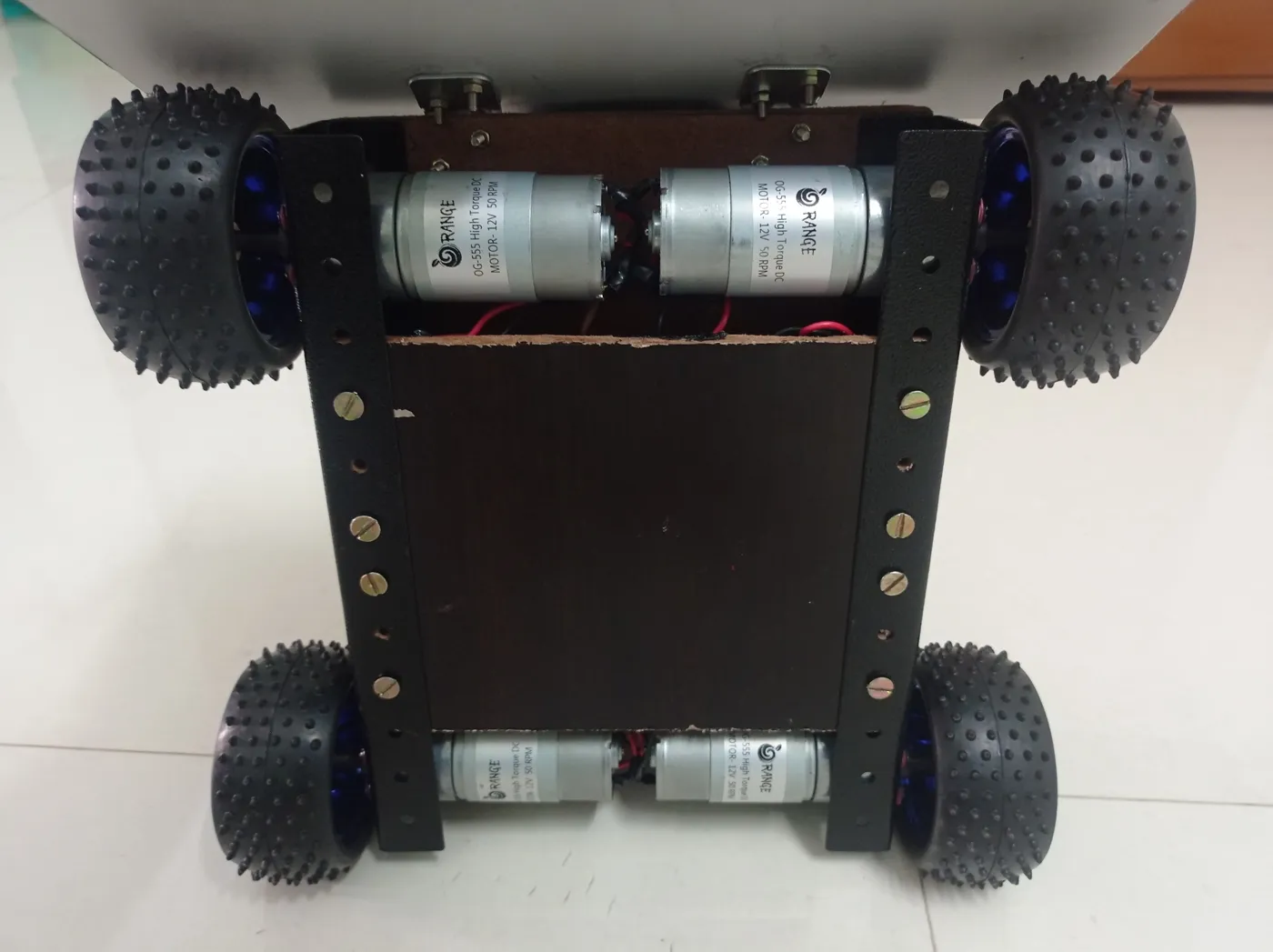
Under the rover: four motors on a metal frame
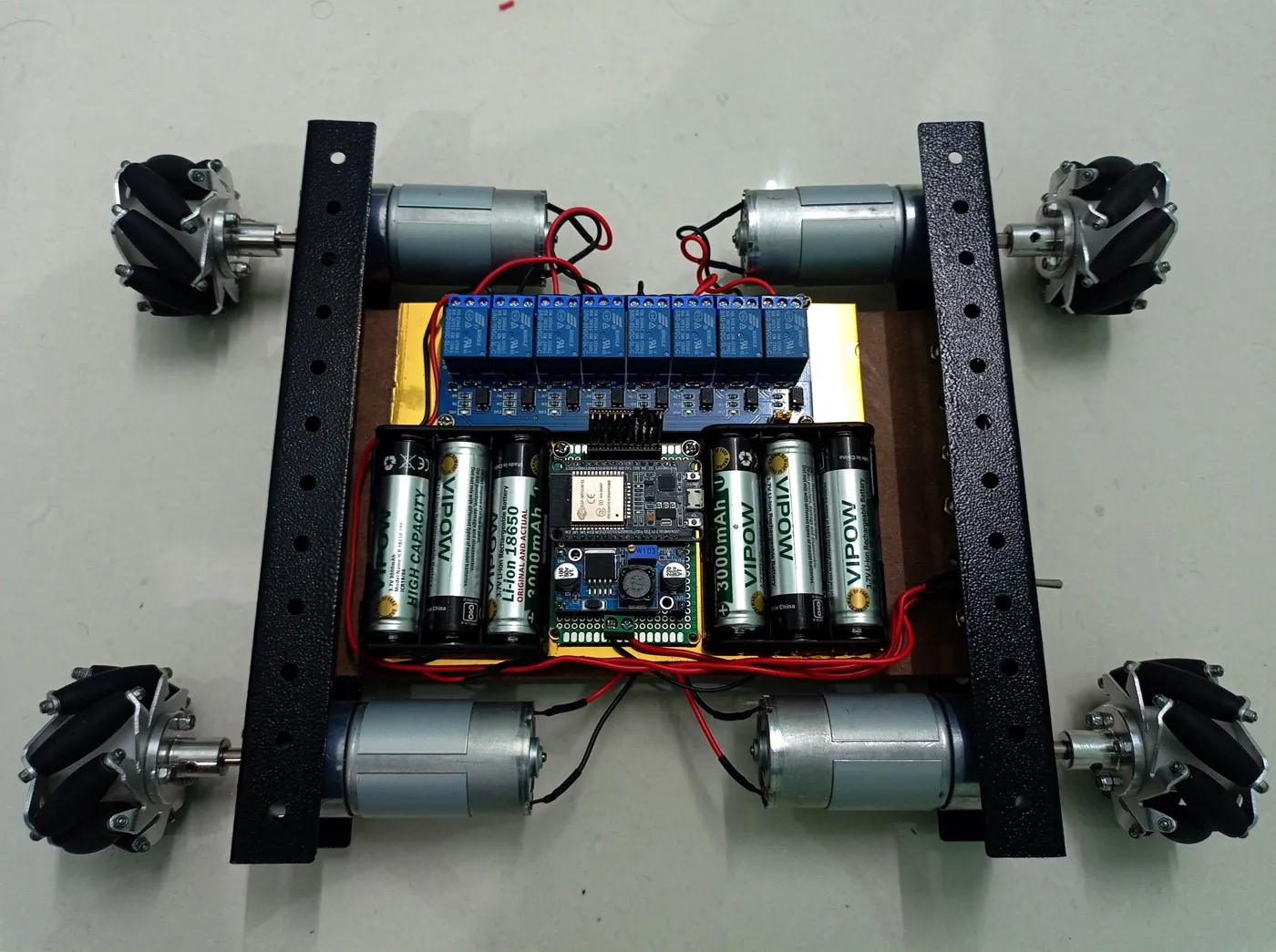
A bigger chassis with a relay board and six cells
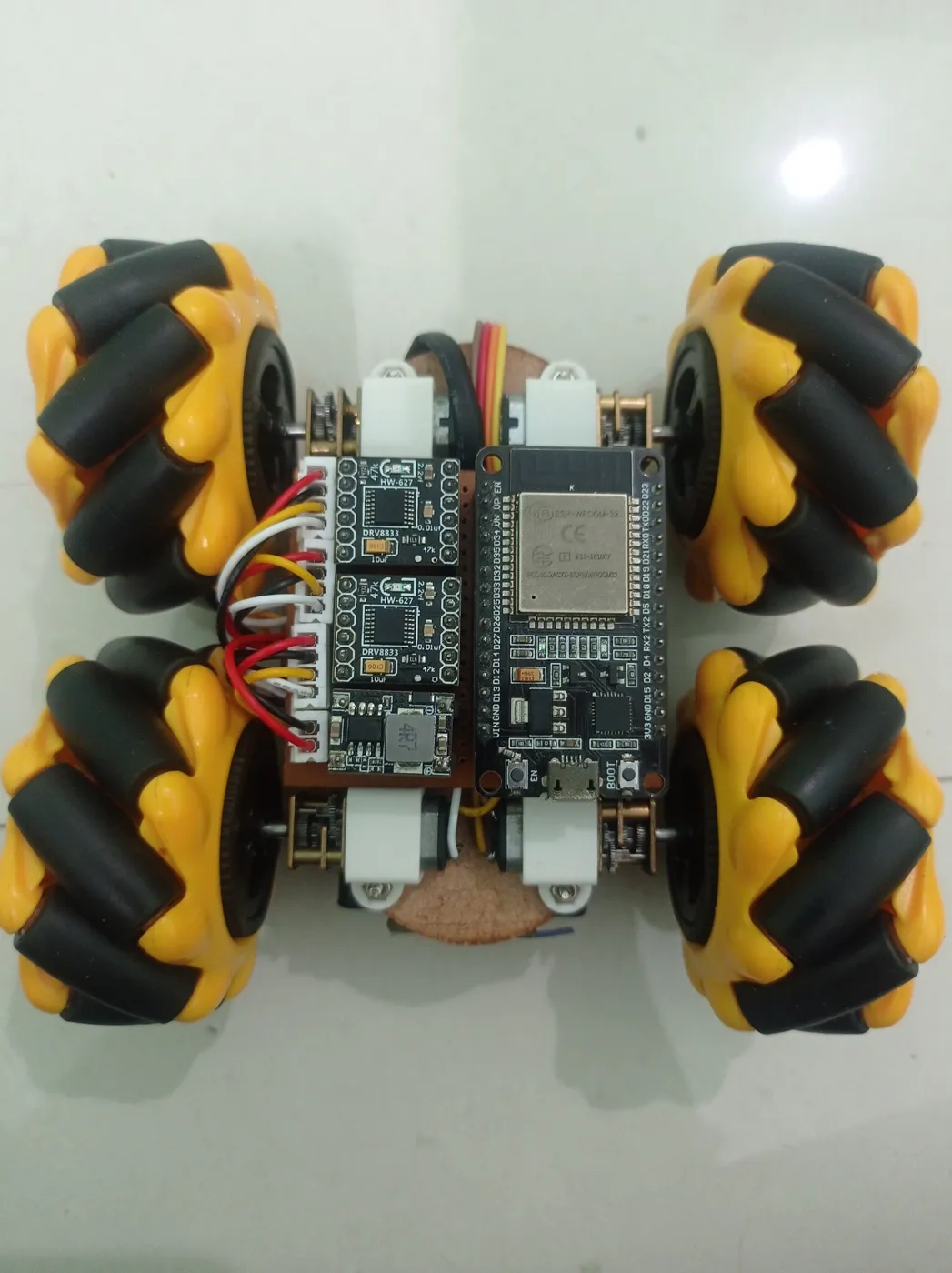
Motor drivers and the controller board
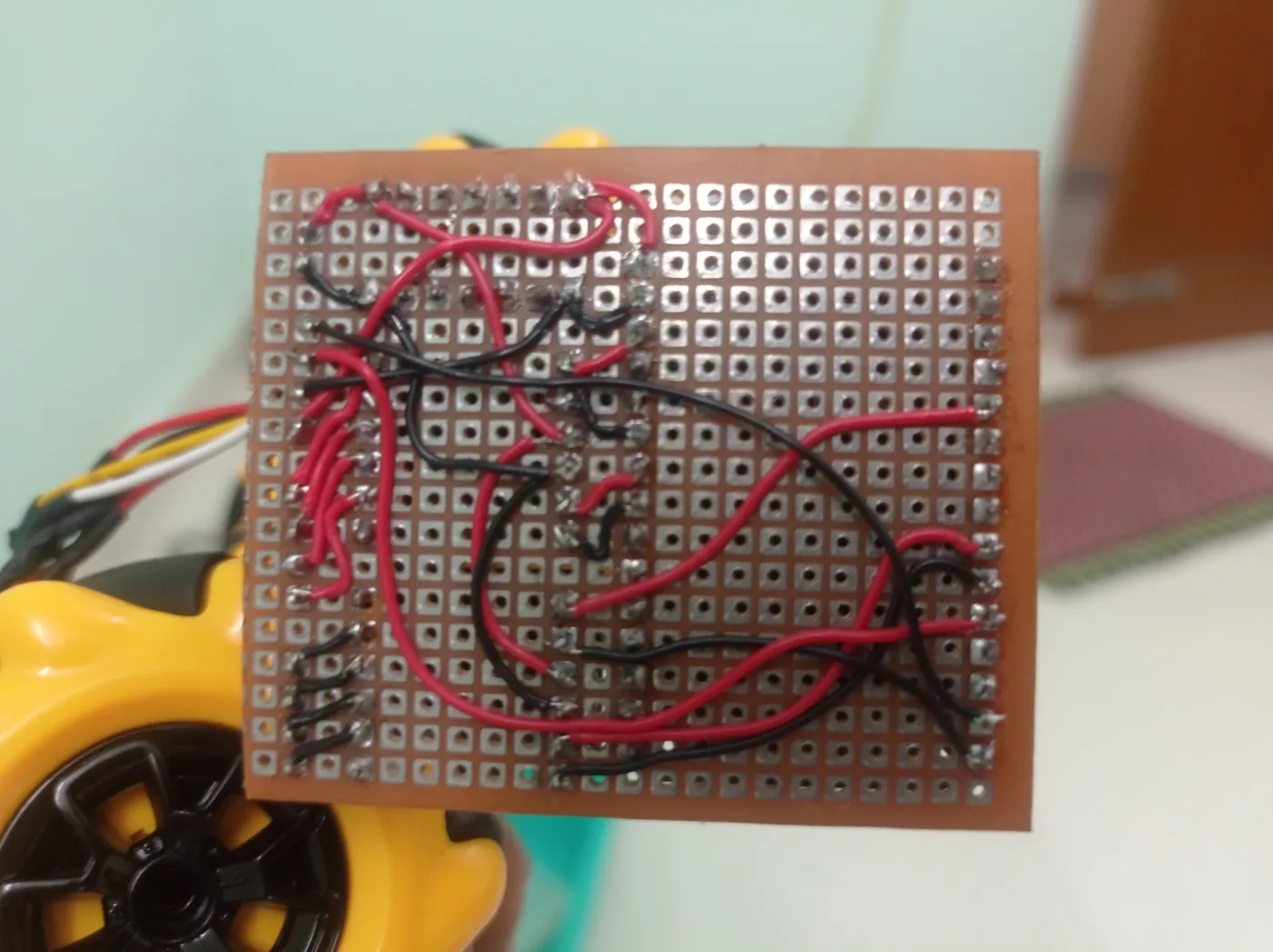
Hand-wired connections on perfboard
Inside a session

See the learning happen.

VideoA bin that opens for you
A jointed white robot arm on a round base
PhotoA robot arm, built joint by joint
A small mecanum-wheel robot with glowing display eyes
PhotoA robot that drives sideways

Photos and clips supplied by PIXO Learn from its builds.

Enquire

Have a projectin mind?

Tell us what your child loves to ask about, and we will share how STEM can grow it.

Enquire about STEM