 STEM
Science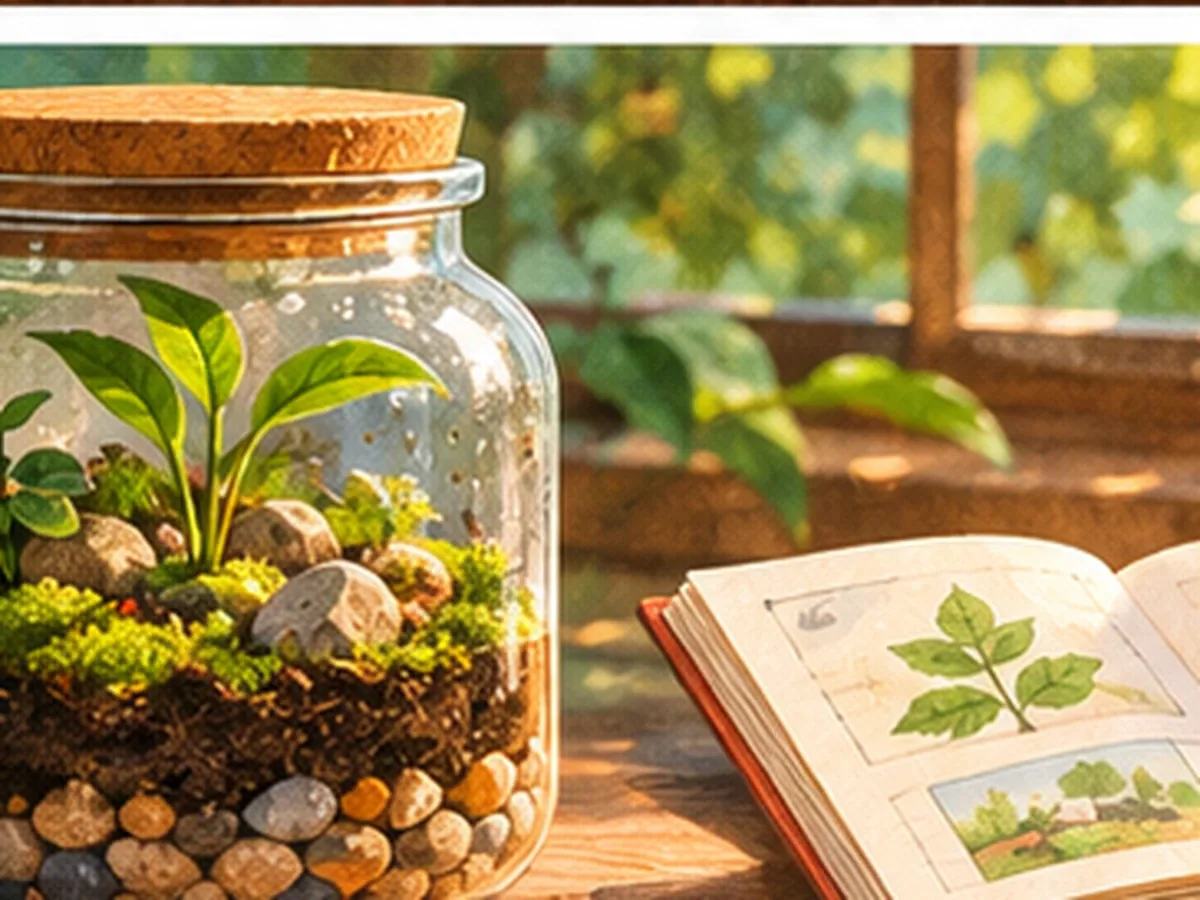
Grow a mini ecosystem
Build a sealed jar world with soil, water and a plant, then watch light, moisture and growth work together over days. Observation journals turn into real conclusions.
See the projectScience starts the moment a child asks why. Here they follow that question with their own eyes, hands and notebook until they can explain what they found.
She studies the sprout through a magnifying glass, noticing details before anyone explains them.
Light and growth shift over time. Children predict what will happen, then check.
Findings go into a notebook in drawings and words, ready to be explained out loud.
Topics shown are examples of what Science sessions can cover. They always sit inside a hands-on project.
How plants, insects and small ecosystems stay alive.
What floats, melts, dissolves or mixes, and why.
Pushes, pulls, ramps and friction you can feel in your hands.
Shadows, reflections and vibrations you can see and hear.
Water, soil, clouds and the cycles that connect them.
How we sense, move and breathe, explored through simple tests.
Each of these is the kind of question a session can open with. Children pick the one they most want answered.
Why does a shadow grow and shrink?
Can a plant grow without soil?
What makes ice melt faster?
Where does a puddle go?
The same four steps run through every STEM subject, so children always know what comes next.
Start with a question you can test, like why a plant leans toward the window.
Observe closely, predict what will happen, then test it with simple materials.
Set up a fair test or a working model so the idea can be seen.
Record what happened, explain it in your own words, and ask the next question.
The session opens with a glass of water and one ice cube. Before anyone touches anything, each child says where they think the water level will go when the ice melts. Some say up, some say down, a few say nothing changes. Then they mark the glass, wait, watch and write down what they see. The answer matters less than the habit: say what you think, check it, and be willing to change your mind.
Projects are how children practise these skills, and each one shows up in the next project too.
Build a sealed jar world with soil, water and a plant, then watch light, moisture and growth work together over days. Observation journals turn into real conclusions.
See the projectThe ideas stay the same. What changes is how much of the thinking the child does on their own.
Looking closely, drawing what is seen, and saying it in simple sentences.
Making a prediction, running a fair test and recording what happened.
Choosing the question, deciding what to change and what to keep the same.
Tell us about your child, and we'll share how PIXO STEM can fit their curiosity.
Enquire about STEM